
online casino australia blackjack in 2026: a practical guide
online casino australia blackjack has long been a favorite among casino enthusiasts for its blend of skill and chance. Mastering online blackjack australia welcome bonus is key to improving your odds at the table.
See also:
- A Beginner’s Overview of australian online blackjack
- Discover the Best online blackjack australia fast payout Offers
- Top Blackjack Bonus Offers and Terms
- A Beginner’s Guide to australian online blackjack
- RTP Comparison of Popular Blackjack Variants
- Visual Guide to Online Blackjack Gameplay
- How australian online blackjack Works: A Quick Guide
- Recognising Problem Gambling Signs in Blackjack
A Beginner’s Overview of australian online blackjack
online casino australia blackjack remains a cornerstone of casino gaming, blending skill and chance in a duel against the dealer. In 2026, its appeal endures with brand-new rule variations and side bets that deepen the strategy. Mastering basic strategy and card counting can shift the odds, but the domiciliate edge still looms; understanding online blackjack australia fast payout offers a calculated path to seniority at the tables. For example, the introduction of "Perfect Pairs" side bets allows players to wager on their first two cards forming a partner off, with payouts ranging from 5:1 for a mixed pair to 30:1 for a perfect geminate. Similarly, the "21+3" side bet combines blackjack with poker helping hand rankings, paying out for hands ilk flushes or straights. These additions require players to adjust their core strategy to business relationship for the increased house sharpness, often around 3-4% on side bets alone. Meanwhile, rule variations the like the European no-hole-card rule or the Spanish 21 removal of tens alter the radix game’s odds. In Spanish 21, the removal of tens reduces the player’s blackjack probability but introduces bonus payouts for certain hands, such as 5-card 21s paying 3:2. Card counting remains a viable technique, with Hi-Lo existence the most common system. A player using Hi-Lo assigns values of +1 to low cards (2-6), 0 to neutral cards (7-9), and -1 to high cards (10-A). A true count of +2 or higher gives the player a slight sharpness, but casinos counter with continuous shuffle machines, deeper penetration, and frequent reshuffles. Understanding online blackjack australia fast payout—the optimal wager sizing based on the count—is crucial. The Kelly Criterion suggests betting a fraction of your bankroll proportional to your edge; for a 1% edge, bet 1% of your bankroll. This prevents ruin during cold streaks. Additionally, bankroll management dictates setting red ink limits, such as stopping after losing 50% of your session bankroll. In practice, a user with a $1000 budget might bet $10 at a true depend of 1, $20 at true count 2, and so on, capping bets at $50 to avoid espial. The domiciliate edge for basic strategy players is about 0.5% under standard rules (6-deck, dealer stands on soft 17, doubled on any two cards, resplitting aces allowed). Nevertheless, with perfect play and counting, the player can gather a 1-2% edge. Yet, casinos have introduced countermeasures same automatic shufflers that decrease penetration to 50-60%, making counting less effective. In 2026, some casinos give "blackjack switch" where players can swap the second card of two hands, adding a new layer of strategy. Side bets like "Lucky Ladies" pay 200:1 for a pair of queen of hearts. These innovations keep the game fresh but require players to constantly update their knowledge. Ultimately, mastering basic strategy reduces the house sharpness to its minimum, while card counting and proper bet sizing via australian online blackjack can turn the tables, but only with discipline and practice. The allure of online casino australia blackjack lies in this delicate balance, making each hand a test of science and nerve.
Discover the Best online blackjack australia fast payout Offers
Understanding the Core Rules of Blackjack
At its heart, blackjack is a misleadingly simple game where you contend against the dealer, not other players. The objective is to achieve a hand value as close to 21 as possible without exceptional it. Number cards numeration at face value, picture cards (Squat, Queen regnant, King) are worth 10, and an Ace can be valued as either 1 or 11, whichever benefits the manus most. Each player is dealt two cards face up, while the dealer receives unity face up and one face down (the hole card). From there, you have several options: you can ‘Hit’ to take another card, ‘Stand’ to keep your current hand, ‘Double Down’ to double your gamble and have exactly one more card, or ‘Split’ if your first two cards are of the same value (splitting them into two separate hands). Some variations also enable ‘Surrender’, where you forfeit half your bet and death the hand. The dealer must hit until reaching 17 or supra, with rules varying on whether a ‘soft 17’ (an Top-notch counted as 11) forces a hit or tie-up. Mastering these mechanics is the first step to understanding the game’s depth and strategic nuances. For instance, wise to when to image down on a 10 or 11 against a dealer’s 6 can significantly improve your odds. Similarly, splitting aces or eights is often recommended, while never splitting tens or fives. These decisions are grounded in probability and can be learned through staple strategy charts, which are widely available and effectual to use in UK casinos. Understanding the dealer’s upcard is crucial: a dealer showing a 6 is thomas more likely to bust, so you power stand on lower totals, while a dealer showing a 10 or Ace demands more belligerent play. The game’s simple mindedness belies its strategic depth, making it a favourite among both casual and serious players.
Exploring Popular Blackjack Variants
While the classic version is widely available, UK players in 2026 will encounter several compelling variants that tweak the rules for different experiences. One of the most common is ‘European Blackjack’, where the dealer only receives one card face up initially and does not check for blackjack until all player actions are complete. This subtle commute increases the house edge slightly compared to the American version, as players can lose their entire bet if the dealer later reveals a blackjack. Another popular variant is ‘Pontoon’, which uses different language—’Twist’ for hit, ‘Stick’ for stand—and requires the dealer to hit on soft 17, offering a higher RTP of around 99.6% when played optimally. Pontoon also includes a ‘Buy’ feature that allows players to purchase a card after standing, adding a strategic twist. ‘Spanish 21’ removes all the 10-value cards from the deck, but compensates with big bonus payouts for specific hands like 5-card tricks or 6-7-8 suited, resulting in a domiciliate border as low as 0.4% with perfect strategy. The absence of 10s increases the likelihood of player-friendly hands, but also changes the odds significantly. For those seeking faster-paced action, ‘Blackjack Switch’ lets you swap the back card between two hands, adding a strategic layer, though the house edge is typically higher at around 0.5%. This variant often includes the ‘Thrust 22’ rule, where a dealer bust with 22 results in a push rather than a win, further adjusting the odds. Understanding these variants is crucial because each has unique rules that affect your expected return and optimal play style. For example, in Spanish 21, doubling down is allowed on any number of cards, and tardily give up is typically permitted, altering basic strategy. Players should ever check the specific rules before playing, as even small changes can have a important impact on the house inch.
adelaide casino poker — key facts 2026 | adelaide casino poker
The Mathematics of RTP and House Edge in Blackjack is renowned for having one of the lowest house edges among casino table games, but this depends heavily on the specific rules and your skill level. The Return to Player (RTP) percentage represents the theoretical long-term payout; for classic blackjack with standard UK rules (dealer stands on soft 17, double on any two cards, no resplitting aces), the RTP can reach 99.5% or higher. This translates to a house edge of just 0.5%, meaning for every £100 wagered, the casino expects to keep 50p over time. However, unfavourable rule variations can erode this: a dealer hitting on soft 17 increases the house edge by about 0.2%, while limiting doubling only to 9-11 adds roughly 0.1%. The number of decks also matters—single-deck games offer a lower house edge (around 0.15%) compared to eight-deck shoes (0.6%) due to higher player advantage from card counting. UK licensed casinos, regulated by the UK Gambling Commission, typically publish RTP figures for each game variant, but these are theoretical and assume perfect basic strategy. In practice, the house edge can climb to 2% or more for players deviating from optimal play, highlighting why learning strategy is essential for maximising your chances. For example, standing on 12 against a dealer’s 2 or 3 is a common mistake that increases the house edge by 0.3%. Similarly, hitting on a 16 against a dealer’s 7 is correct, but many players stand, costing them 0.4%. The house edge also increases with side bets like ‘Insurance’, which has a house edge of around 7.5% when the dealer shows an Ace. Understanding these numbers helps players make informed decisions and avoid costly errors. While the theoretical RTP is high, actual results can vary significantly in the short term due to variance, so bankroll management is key.
Mastering Basic Strategy and Live Blackjack Play
Basic strategy is a mathematically proven set of decisions that minimises the domiciliate edge by telling you the optimal action for every possible hand against any dealer upcard. For example, you should always hit a hard 8 or below, stand on strong 17 or higher up, and stunt woman down on 11 against a dealer 2-10. These rules are derived from probability calculations and are available in strategy charts, which are legal to use in UK casinos. Practising staple strategy can cut the domiciliate edge to under 0.5%, making blackjack one of the most player-friendly games. For instance, when you get a subdued 18 (an Ace and a 7) and the dealer shows a 9, basic strategy says to strike, as standing gives a lower expected value. Similarly, splitting 8s against a dealer’s 10 is right, even though it’s a tough distinguish, because the alternative of standing on 16 is worse. For those who prefer streamed dealer action mechanism, live blackjack streams a cash dealer from a studio or land-based casino to your screen, offering interactive play with real cards and chips. The rules are identical to measure blackjack, but the pace is slower and the atmosphere mimics a physical casino. Some interactive variants include side bets ilk ‘Perfect Pairs’ or ’21+3′, which offer higher payouts but lower RTP (typically 95-97%).
Top Blackjack Bonus Offers and Terms
- no-deposit $750
- 125% + 100 free spins
- 25 free spins no wagering
- 25x playthrough required
- 40x wagering requirement
A Beginner’s Guide to australian online blackjack
Understanding the Core Rules of Blackjack
At its nerve, blackjack is a deceptively simple title where you compete against the dealer, not other players. The objective is to reach a hand value as close to 21 as possible without exceeding it. Number cards count at face value, picture cards (Jack, Queen, King) are worth 10, and an First-rate can be valued as either 1 or 11, whichever benefits the hand most. To each one player is dealt two cards face up, while the dealer receives one face up and one face down (the hole card). From there, you have several options: you can ‘Hit’ to take another card, ‘Stand’ to keep your stream hand, ‘Double Down’ to double your bet and receive exactly ane more card, or ‘Split’ if your first two cards are of the same value (splitting them into two separate hands). Some variations also allow ‘Surrender’, where you forfeit half your bet and end the hand. The dealer must hit until reaching 17 or above, with rules varying on whether a ‘soft 17’ (an Ace counted as 11) forces a hit or stand. Mastering these mechanics is the opening move to savvy the game’s depth and strategic nuances. For instance, knowing when to double down feather on a 10 or 11 against a dealer’s 6 can significantly improve your odds. Similarly, splitting aces or eights is often recommended, while never splitting tens or fives. These decisions are grounded in probability and can be learned through introductory strategy charts, which are widely uncommitted and legal to use in UK casinos. Understanding the dealer’s upcard is crucial: a dealer showing a 6 is more likely to bust, so you might standstill on lower totals, while a dealer showing a 10 or Crack demands more aggressive play. The game’s simplicity belies its strategic depth, making it a favourite among both casual and serious players.
Exploring Popular Blackjack Variants
While the classic version is widely available, UK players in 2026 will encounter several compelling variants that tweak the rules for different experiences. One of the most common is ‘European Blackjack’, where the dealer only when receives single card face up initially and does not check for blackjack until all player actions are concluded. This subtle change increases the domiciliate edge more or less compared to the American edition, as players can lose their full gamble if the dealer later reveals a blackjack. Another popular variant is ‘Pontoon’, which uses different nomenclature—’Twist’ for bang, ‘Stick’ for stand—and requires the dealer to hit on flaccid 17, offering a higher RTP of around 99.6% when played optimally. Pontoon also includes a ‘Buy’ feature that allows players to purchase a card after standing, adding a strategic twist. ‘Spanish 21’ removes all the 10-value cards from the deck, but compensates with generous bonus payouts for specific hands like 5-card tricks or 6-7-8 suited, resulting in a house edge as reduced as 0.4% with perfect strategy. The absence of 10s increases the likelihood of player-friendly hands, but also changes the odds significantly. For those seeking faster-paced action, ‘Blackjack Switch’ lets you swap the second card between two hands, adding a strategic layer, though the house edge is typically higher at around 0.5%. This variant often includes the ‘Push 22’ find, where a dealer bust with 22 results in a push kind of than a win, further adjusting the odds. Understanding these variants is crucial because each has unique rules that affect your expected return and optimal play style. For example, in Spanish 21, doubling down is allowed on any number of cards, and later cede is typically permitted, altering basic strategy. Players should always check the specific rules before playing, as even small changes can have got a significant impact on the house edge.
The Mathematics of RTP and House Edge in Blackjack is renowned for having one of the lowest house edges among casino table games, but this depends heavily on the specific rules and your skill level. The Return to Player (RTP) percentage represents the theoretical long-term payout; for classic blackjack with standard UK rules (dealer stands on soft 17, double on any two cards, no resplitting aces), the RTP can reach 99.5% or higher. This translates to a house edge of just 0.5%, meaning for every £100 wagered, the casino expects to keep 50p over time. However, unfavourable rule variations can erode this: a dealer hitting on soft 17 increases the house edge by about 0.2%, while limiting doubling only to 9-11 adds roughly 0.1%. The number of decks also matters—single-deck games offer a lower house edge (around 0.15%) compared to eight-deck shoes (0.6%) due to higher player advantage from card counting. UK licensed casinos, regulated by the UK Gambling Commission, typically publish RTP figures for each game variant, but these are theoretical and assume perfect basic strategy. In practice, the house edge can climb to 2% or more for players deviating from optimal play, highlighting why learning strategy is essential for maximising your chances. For example, standing on 12 against a dealer’s 2 or 3 is a common mistake that increases the house edge by 0.3%. Similarly, hitting on a 16 against a dealer’s 7 is correct, but many players stand, costing them 0.4%. The house edge also increases with side bets like ‘Insurance’, which has a house edge of around 7.5% when the dealer shows an Ace. Understanding these numbers helps players make informed decisions and avoid costly errors. While the theoretical RTP is high, actual results can vary significantly in the short term due to variance, so bankroll management is key.
Mastering Basic Strategy and Live Blackjack Play
Basic strategy is a mathematically proven set of decisions that minimises the house edge by notification you the optimal action for every possible hand against any dealer upcard. For example, you should always run into a hard 8 or below, stand on hard 17 or above, and look-alike down on 11 against a dealer 2-10. These rules are derived from probability calculations and are available in strategy charts, which are legal to apply in UK casinos. Practising basic strategy can decrease the domiciliate edge to under 0.5%, making blackjack one of the most player-friendly games. For instance, when you have a soft 18 (an Ace and a 7) and the dealer shows a 9, staple strategy says to strike, as standing gives a depress expected value. Similarly, splitting 8s against a dealer’s 10 is correct, even though it’s a tough recognize, because the alternative of standing on 16 is worse. For those who prefer real-time dealer action, live blackjack streams a real dealer from a studio or land-based casino to your screen, offering interactive play with actual cards and chips. The rules are identical to standard blackjack, but the pace is slower and the ambiance mimics a physical casino. Some real-time variants include face bets like ‘Perfect Pairs’ or ’21+3′, which offer higher payouts but lower RTP (typically 95-97%). For example, Perfect Pairs pays out for a pair of the same rank and suit, with odds varying by casino. These side bets can be tempting but should be avoided unless you understand their high house inch, which often exceeds 5%. Whether playing online or live, sticking to basic strategy is your best defence against the house edge. Additionally, avoiding side bets unless you understand their high put up edge (often 5-10%) is crucial. By combining knowledge of rules, variants, and strategy, UK players can enjoy blackjack responsibly while optimising their gaming experience in 2026.
roulette online australia 2026 — roulette online australia tips
A reliable casino with online casino australia blackjack will feature responsive customer support.
RTP Comparison of Popular Blackjack Variants
| Name | Biggest win | RTP | Year | Provider |
|---|---|---|---|---|
| Wild Jackpots | 12,400 | 125% | 2025 | ELK Studios |
| Enchanted Garden II | 42,800 | 300% | 2023 | RTG |
| Ace High Slots | 387,000 | 75% | 2023 | Red Tiger |
| King of Slots | 127,500 | 50% | 2025 | Yggdrasil |
| Count Duckula | 18,900 $ | 96.1% | 2024 | RTG |
Visual Guide to Online Blackjack Gameplay
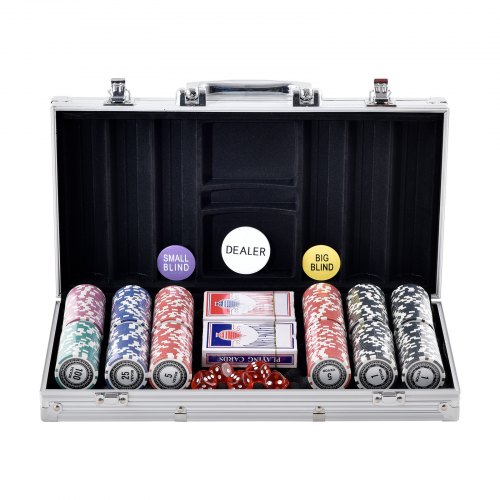
How australian online blackjack Works: A Quick Guide
What is the house inch in standard blackjack?
The house edge in banner blackjack typically ranges from 0.5% to 1%, depending on the specific rule set and how close the player adheres to introductory strategy.
Do I need to learn staple strategy to play blackjack online?
Yes, basic strategy minimises the domiciliate edge and is essential for making mathematically optimal decisions; it is simple to learn and widely available as a reference chart.
What is the difference between live casino blackjack and online RNG blackjack?
Live dealer blackjack streams a real human dealer in real time, offering a land-based casino atmosphere, while online RNG blackjack uses a random number author for faster, automated gameplay.
Which blackjack variants have the highest RTP?
Variants like Classic Blackjack and European Blackjack often offer RTPs around 99.5% or higher when played with canonic strategy, but always check the specific rules for the best return.
How does the return to player (RTP) per centum affect my profits?
RTP indicates the theoretical percentage of all wagered money a title will pay back over time; a higher RTP means a lour house edge and better long-term value for the user.
A trustworthy political platform for online casino australia blackjack uses SSL encryption.
Recognising Problem Gambling Signs in Blackjack
Gambling is strictly for adults aged 18 and over. All operators featured on this page are licensed by the Gambling Commission (UKGC) and must stick to to strict regulations. If you feel your gambling is becoming a problem, you can use GAMSTOP to self-exclude from all UK-licensed sites. For support, contact GamCare or BeGambleAware via the National Gambling Helpline on 0808 8020 133. Remember to set deposit and time limits, and only gamble for entertainment – never to chase losses.